

Introduction
Sleep apnea is a common but underrecognized sleep-disordered breathing condition that has important consequences for health, daytime functioning, and quality of life. In South Asia a region that includes India, Pakistan, Bangladesh, Sri Lanka, Nepal, Bhutan, and the Maldives mounting evidence shows a substantial prevalence of obstructive sleep apnea (OSA) and strong links with cardiometabolic disease.¹–³ This article defines sleep apnea, explains how the upper airway becomes obstructed, summarizes types and risk factors with attention to South Asian features (including relevant body-mass index [BMI] thresholds), describes typical symptoms and complications of untreated disease, reviews treatment options and devices, and explains the role and indications for sleep testing.
What is Sleep Apnea?
Sleep apnea is a disorder of breathing during sleep characterized by repeated pauses (apneas) or reductions (hypopneas) of airflow despite ongoing respiratory effort, or by absent respiratory effort in the case of central disorders. The most common form is obstructive sleep apnea (OSA), in which the upper airway collapses or becomes critically narrowed during sleep, causing intermittent hypoxaemia, sleep fragmentation, and sympathetic activation. ¹⁻⁴
Anatomy and Mechanism – How the Airway Gets Obstructed
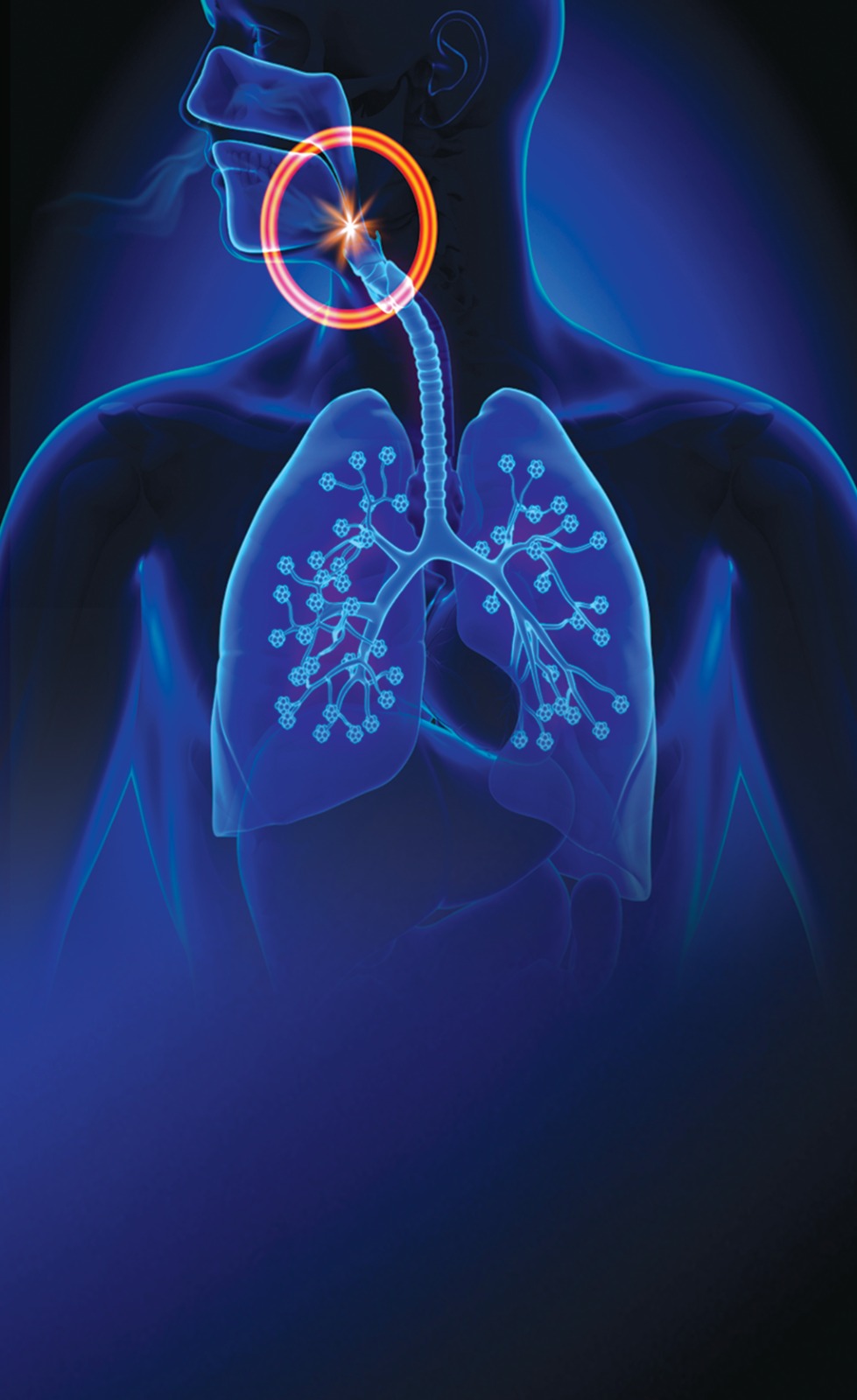
The upper airway is a collapsible tube whose patency during sleep depends on the balance between collapsing forces (anatomical narrowness, soft-tissue bulk, negative inspiratory pressure) and dilating forces (pharyngeal dilator muscle tone). Structures that commonly contribute to obstruction in OSA include the soft palate and uvula, enlarged tonsils, an enlarged or posteriorly displaced tongue, lateral pharyngeal wall thickening, and narrow bony frameworks of the nasal or maxillofacial skeleton.⁵ When muscle tone falls during sleep (especially during rapid eye movement [REM] sleep), these soft tissues can approximate or occlude the airway (anterior–posterior collapse from tongue/soft palate or lateral collapse from pharyngeal walls), producing partial or complete airflow cessation until arousal restores muscle tone.⁵–⁶
Types of Sleep Apnea
- Obstructive sleep apnea (OSA) airflow stops or is reduced because of upper airway collapse despite respiratory effort. This is the most common type worldwide and in South Asia.¹
- Central sleep apnea (CSA) breathing pauses due to absent respiratory drive (no respiratory effort), seen with heart failure, high altitude, opioid use, or neurologic disease.⁷
- Sleep-related hypoventilation disorders sustained hypoventilation with hypercapnia during sleep (eg, obesity hypoventilation syndrome).⁷
Mixed or complex forms may also occur.
How Common is OSA in South Asia?
Prevalence estimates vary by population and diagnostic method, but recent systematic reviews and large studies show that OSA is common in South Asia. A meta-analysis of Indian adult studies found an overall pooled OSA prevalence (AHI ≥5 events/hour) of about 11% and moderate-to-severe OSA (AHI ≥15) of ≈5%, representing tens of millions affected in India alone.¹ Other country-level analyses and systematic reviews from the region report high prevalence in clinical and at-risk groups (eg, patients with diabetes, cardiovascular disease), and individual country reviews suggest prevalence estimates considerably higher when objective sleep testing (polysomnography) is used.²–³ Regional data also show strong associations of OSA with cardiovascular and metabolic diseases in South Asian populations.²,⁸
Risk Factors for Sleep Apnea (with South Asian Considerations)
Common risk factors for OSA include:
- Obesity and central/neck adiposity – fat deposition in the neck and pharyngeal tissues narrows the airway and increases collapse risk. ⁵
- Male sex – men have higher prevalence than women until later life. ¹
- Older age – risk rises with age. ¹
- Craniofacial morphology – retrognathia (small or posteriorly positioned jaw), maxillary or mandibular hypoplasia, and narrow maxillofacial skeleton are important contributors features disproportionately common in some South Asian populations and may increase OSA risk even at lower BMI. ⁵,9
- Large tonsils or adenoids – more common in younger patients. ⁵
- Alcohol and sedative use – reduce upper-airway muscle tone. ⁵
- Smoking, male pattern fat distribution, and family history.
South Asian specifics: South Asians tend to develop central adiposity and metabolic risk at lower BMI levels compared with Europeans; craniofacial body habitus (including relatively smaller mandible or reduced airway space) can increase OSA risk even in nonobese individuals. These population-level differences make recognition of OSA in South Asia particularly important. ¹, ³, ⁹
What is BMI and which BMI is relevant to sleep apnea in South Asians?
Body-mass index (BMI) is weight in kilograms divided by height in meters squared (kg/m²) and is a widely used screening measure for overweight and obesity. Standard international BMI categories (for many populations) are: underweight <18.5, normal 18.5–24.9, overweight 25.0–29.9, and obese ≥30.0 kg/m². However, the World Health Organization and expert groups have emphasized lower BMI risk thresholds for many Asian populations because cardiometabolic and cardiovascular risks occur at lower BMIs in Asians. For public-health purposes, suggested action points include BMI ≥23 kg/m² as increased risk and ≥27.5 kg/m² as high risk for some Asian populations, though exact cut points can vary by country and guideline.³
In relation to OSA, even modest increases in BMI (and especially central/neck adiposity) greatly increase OSA risk in South Asians, and clinicians should consider OSA evaluation at lower BMI thresholds than might be used in Western populations.³,⁹
Symptoms and clinical features
Common symptoms and signs of OSA:
- Loud habitual snoring (often reported by bed partner).
- Witnessed apneas – bed partner observes pauses in breathing or gasping/choking. This is a key red flag.⁴
- Excessive daytime sleepiness – difficulty staying awake, falling asleep while driving or at work.
- Unrefreshing sleep, morning headaches, nocturia, impaired concentration, mood changes (depression/irritability).
- Physical findings: increased neck circumference, crowded oropharynx (Mallampati score), retrognathia, enlarged tonsils.
Because South Asian patients may have clinically significant OSA with lower BMIs, clinicians should pay attention to symptoms (especially witnessed apneas and excessive sleepiness) even in nonobese patients.⁴
Consequences of untreated sleep apnea
If left untreated, OSA can lead to multiple adverse outcomes:
- Cardiovascular disease: hypertension (often resistant), ischemic heart disease, heart failure, arrhythmias (including atrial fibrillation), and stroke.⁸,¹⁰
- Metabolic dysregulation: impaired glucose tolerance and increased risk of type 2 diabetes; adverse lipid profiles.³,⁸
- Daytime impairment: excessive sleepiness increases risk of motor vehicle and occupational accidents.
- Neurocognitive effects: impaired attention, memory, mood disorders.
- Increased all-cause mortality in populations with severe untreated OSA.⁸
In South Asia the combination of a high background rate of cardiometabolic disease and underdiagnosis of OSA suggests a potentially large, preventable burden of morbidity if OSA remains untreated.¹,³
How is sleep apnea treated?
Treatment choice depends on OSA severity, patient anatomy, comorbidities, preferences, and treatment tolerance. Main approaches:
1. Conservative and behavioral measures
- Weight loss — can reduce OSA severity; modest weight reduction often improves symptoms.⁴
- Sleep position therapy — positional therapy for patients with positional OSA (supine-predominant).
- Avoiding alcohol and sedatives near bedtime and treating nasal obstruction.
2. Positive airway pressure (PAP) therapy — first-line for moderate–severe OSA
- CPAP (continuous positive airway pressure) maintains a pneumatic splint of the upper airway, preventing collapse and is the most effective nonsurgical treatment for preventing apneas and restoring normal sleep architecture.⁵,¹¹
- APAP (auto-titrating PAP) adjusts pressure automatically overnight and may be used for initiation in uncomplicated patients.⁵,¹¹
- BiPAP (bilevel PAP) provides different inspiratory/expiratory pressures and is used when ventilation support is required or CPAP is poorly tolerated.⁵
Trials and practice guidelines recommend PAP for symptomatic patients and for those with comorbid conditions where reduction of OSA events is clinically important; adherence (commonly measured as ≥4 hours/night) strongly influences clinical benefit, including cardiovascular outcomes.¹¹–¹³
3. Oral appliances
Mandibular advancement devices (MADs) advance the lower jaw and increase airway caliber; suitable for mild–moderate OSA or for CPAP-intolerant patients. Dental fitting by a trained dental sleep specialist is recommended.⁵,¹⁴
4. Surgical options
Surgery may be considered for patients with anatomic lesions (eg, large tonsils) or those who fail/decline PAP/oral appliance therapy. Procedures include uvulopalatopharyngoplasty (UPPP), nasal surgery, tonsillectomy (in selected cases), and more complex procedures such as maxillomandibular advancement (MMA). For carefully selected patients, MMA can produce substantial and durable improvements.⁵
5. Implantable and emerging therapies
- Hypoglossal nerve stimulation (upper airway stimulation) is an implantable device that activates tongue-protruding muscles during sleep to prevent posterior collapse; it can be effective in selected patients who meet anatomical and BMI criteria and who cannot tolerate CPAP.⁹,¹⁵
- Other technologies and pharmacologic adjuncts for residual sleepiness are evolving but are not first-line replacements for airway-targeted therapy.⁵
What devices are available?
- CPAP/APAP/BiPAP machines — home devices with mask interfaces (nasal, oronasal/full-face, or nasal pillows). Modern devices include humidification and telemonitoring.¹¹
- Oral mandibular advancement devices — custom dental appliances fitted by dental sleep specialists.¹⁴
- Positional devices — to discourage supine sleep (eg, vests, positional alarms).
- Implantable hypoglossal nerve stimulators — surgically implanted pulse generator and stimulation lead.⁹
- Surgical instrumentation for upper airway procedures.
Choice of device should be individualized, and adherence support (education, mask fitting, troubleshooting, behavior interventions) is essential for clinical effectiveness.¹¹
The importance of the sleep study — polysomnography and indications
Objective sleep testing establishes the diagnosis, quantifies severity (apnea–hypopnea index, or AHI), and guides treatment. The gold-standard test is in-laboratory attended polysomnography (PSG), which records brain activity, eye movements, muscle tone, respiratory effort, airflow, oxygen saturation, and cardiac rhythm. Home sleep apnea testing (HSAT) with validated portable devices is an accepted alternative in uncomplicated patients who have a high pretest probability of moderate–to-severe OSA and no significant cardiopulmonary comorbidity. The American Academy of Sleep Medicine recommends that either PSG or a technically adequate HSAT be used to diagnose OSA in appropriate patients and that PSG is preferred when there is significant comorbidity or suspicion of other sleep disorders. Indications for diagnostic testing include excessive daytime sleepiness plus at least two of habitual loud snoring, witnessed apneas/gasping/choking, or diagnosed hypertension — or clinical suspicion in the presence of other risk factors.⁴
In South Asia, where resources and access to laboratory PSG may be limited, HSAT (performed within an accredited sleep program) combined with careful clinical evaluation can increase diagnostic capacity, but clinicians must follow guideline criteria and refer for PSG when HSAT is inconclusive or when comorbidities are present.⁴
When to refer and urgent situations
Refer for urgent evaluation when patients have severe daytime somnolence with safety risks (eg, falling asleep while driving), cardiovascular instability suspiciously linked to OSA, or when initial therapy fails or is not tolerated. Patients with suspected obesity hypoventilation syndrome, neuromuscular disease, severe cardiopulmonary disease, or chronic opioid use should have in-laboratory testing and specialist care.⁴
Practical considerations for South Asia
- High index of suspicion: consider OSA even in patients with lower BMI, particularly with craniofacial risk factors, loud snoring, witnessed apneas, or unexplained daytime sleepiness.¹,³,⁹
- Use appropriate BMI thresholds: apply Asian-specific action points (eg, BMI ≥23 kg/m² suggests increased metabolic risk) when assessing obesity-related risk and prioritizing evaluation for OSA.³
- Scale diagnostic access: expand use of validated HSAT protocols in appropriate patients while preserving pathways to PSG for complex cases.⁴
- Integrate cardiometabolic care: coordinate OSA screening and treatment within diabetes, hypertension, and cardiology clinics given overlapping risk.²,⁸
Summary
Obstructive sleep apnea is a prevalent and clinically important disorder in South Asia with characteristic anatomic and physiologic mechanisms of airway collapse. Because South Asians may develop significant OSA and cardiometabolic risk at lower BMIs and with different craniofacial features than Western populations, clinicians should maintain a low threshold to evaluate symptomatic patients. Diagnosis requires objective sleep testing (PSG or appropriate HSAT), and effective treatments — most notably CPAP can markedly improve symptoms and reduce some disease risks when used appropriately and with good adherence. Broader regional recognition, improved diagnostic access, and integrated cardiometabolic care are essential to reduce the health burden of sleep apnea in South Asia.
Author of this article
Dr. Maliha Mannan Ahmed, MBBS (BMC), MBA (ULAB), Masters in Healthcare Leadership (Brown University, USA) and Level 1 Certification on Precision Nutrition. The Executive Editor of The Coronal.
References
- Suri TM, Ghosh T, Mittal S, Hadda V, Madan K, Mohan A. Systematic review and meta-analysis of the prevalence of obstructive sleep apnea in Indian adults. Sleep Med Rev. 2023;71:101829. doi:10.1016/j.smrv.2023.101829.⁽¹⁾
- Panahi L, Et al. Review of the management of obstructive sleep apnea and its modern therapies. [Review]. 2021. (See review summarizing CPAP, oral appliances, surgery, lifestyle.)⁽²⁾
- WHO Expert Consultation. Appropriate body-mass index for Asian populations and its implications for policy and intervention strategies. Lancet. 2004;363(9403):157–163. doi:10.1016/S0140-6736(04)15844-0.⁽³⁾
- Kapur VK, Auckley DH, Chowdhuri S, et al. Clinical practice guideline for diagnostic testing for adult obstructive sleep apnea: an American Academy of Sleep Medicine clinical practice guideline. J Clin Sleep Med. 2017;13(3):479–504.⁽⁴⁾
- Patil SP, Ayappa IA, Caples SM, Kimoff RJ, Patel SR, Harrod CG. Treatment of adult obstructive sleep apnea with positive airway pressure: an American Academy of Sleep Medicine clinical practice guideline. J Clin Sleep Med. 2019;15(2):335–343. doi:10.5664/jcsm.7640.⁽⁵⁾
- Patil SP, et al. Adult obstructive sleep apnea: pathophysiology and diagnosis. [Review]. 2007. (Describes airway anatomy and mechanisms of collapse.)⁽⁶⁾
- Clinical definitions: central sleep apnea and sleep-related hypoventilation disorders — diagnostic criteria summaries. AASM guidelines and reviews.⁽⁷⁾
- Chapagai S, et al. Cardiovascular diseases and sleep disorders in South Asia. Eur J Prev Cardiol. 2022;XX:XX–XX. (Reviews association of OSA with CVD in South Asian populations.)⁽⁸⁾
- Cé PS, et al. Hypoglossal nerve stimulation and beyond: implantable approaches for obstructive sleep apnea. J Clin Med. 2025;14(15):5494. (Discusses patient selection and outcomes for upper airway stimulation.)⁽⁹⁾
- Gheshlagh RG, et al. Prevalence of obstructive sleep apnea in Pakistan: a systematic review and meta-analysis of observational studies. [Preprint/Journal]. 2025. (Country-level prevalence estimates show high rates in at-risk groups.)⁽¹⁰⁾
- Patil SP, Ayappa IA, Caples SM, et al. Treatment of adult obstructive sleep apnea with positive airway pressure: AASM systematic review and recommendations. J Clin Sleep Med. 2019;15(2):301–334.⁽¹¹⁾
- Sánchez-de-la-Torre M, et al. Adherence to CPAP treatment and the risk of recurrent major adverse cardiovascular events: an individual participant data meta-analysis. JAMA. 2023;329(6):xx–xx. (Adherent CPAP use ≥4 hours/day linked to reduced MACCE in secondary prevention.)⁽¹²⁾
- McEvoy RD, et al. CPAP for prevention of cardiovascular events in obstructive sleep apnea. N Engl J Med. 2016;375:919–931. (Major randomized trial reporting neutral results for intention-to-treat but adherence-dependent effects.)⁽¹³⁾
- AASM/AAO guideline: Use of oral appliances for OSA. J Clin Sleep Med. 20XX; (Guideline on mandibular advancement devices).⁽¹⁴⁾
- Cé PS, et al. Hypoglossal nerve stimulation — selection, outcomes, and role in CPAP-intolerant patients. J Clin Med. 2025;14(15):5494.⁽¹⁵⁾